 DARSHANA SANJEEWA BALASURIYA
 Reply To:
Name - Reply Comment
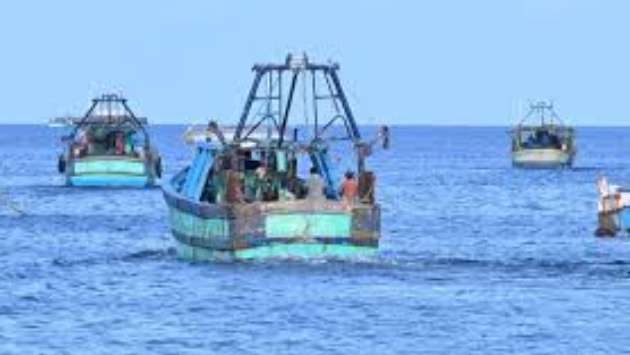
Colombo, Jan. 15 (Daily Mirror) - While authorities are yet to find a lasting solution to illegal fishing and repeated incursions into Sri Lankan territorial waters by Indian fishermen, the Department of Fisheries and Aquatic Resources (DFAR) has taken strict action against local fishermen engaged in illegal fishing practices and the deliberate tampering of Vessel Monitoring Systems (VMS).
Effective from February 1, 2026, a strict six-month fishing ban will be imposed under existing laws on the pilot and entire crew of any vessel found to have violated foreign maritime boundaries or deliberately disabled the Vessel Monitoring System (VMS).
The Department said the decision was taken to curb illegal, unreported, and unregulated (IUU) fishing activities, thereby minimizing threats to marine resources, national security, and the country’s multi-million-dollar seafood export market.
“Sri Lanka has earned a global reputation for producing high-quality fresh fish. This industry is the lifeblood of our coastal communities and a key pillar of national food security,” Director General of the Department of Fisheries and Aquatic Resources, Susantha Kahawatte, said.
However, he warned that the illegal actions of a small number of individuals could result in serious international repercussions, including export bans. “We have faced this threat before, and we cannot allow it to happen again,” he said.
Emphasizing that global fish resources are finite and governed by international law to ensure sustainability for future generations, the Director General identified two major violations that damage Sri Lanka’s international standing: unauthorized entry into the Exclusive Economic Zones (EEZs) of other countries and the deliberate disabling of VMS systems to conceal illegal activities.
“Following extensive consultations with all stakeholders, including fishing associations, we are implementing this ban not as a punitive measure, but as a necessary preventive step. Our objective is to guide all fishermen toward legal practices and ensure the long-term sustainability of this vital industry,” he said.
The Department urged all vessel pilots and crew members to keep their VMS systems active throughout their voyages and to strictly adhere to maritime boundaries.
Meanwhile, responding to a query by the Daily Mirror on measures being taken to address Indian fishermen engaged in illegal fishing in Sri Lankan waters, the Director General said no special measures are currently in place beyond regular patrols and enforcement operations conducted by the Sri Lanka Navy.
The Navy continues to conduct operations to curb illegal fishing activities in order to protect the country's marine environment and the livelihood of the local fishing community.
Fishing vessels from Tamil Nadu in India frequently cross the International Maritime Boundary Line (IMBL), according to Sri Lankan authorities, who state that such incursions pose challenges to maritime security and marine conservation. The use of bottom-trawling methods, which are prohibited in Sri Lanka, is cited as causing damage to the seabed and depleting fish stocks relied upon by local fishermen. Despite periodic arrests and the seizure of fishing vessels by the Sri Lanka Navy, such incidents continue to be reported.
Furthermore, during the past year 2025, 44 Indian fishing vessels and 346 Indian fishermen engaged in illegal fishing in Sri Lankan waters were taken into the custody of the Navy and referred for further legal action.